DVD Extras include:
Episode One - The Sea of DeathThough this is a story that gets better and ropes the viewer in more and more as it progresses, episode one is unfortunately one of the most bungled collections of attempted special effects in the whole of the first season. First of all, it is famous for containing the first example of the TARDIS materializing (as opposed to dematerializing). Even that simple, staple BBC effect is not up to snuff. Oh, the model work is all right, even though it's obviously a model. But why has the beloved sound effect been completely replaced by a tired-sounding musical track from Norman Kay? His work on the four episodes of "An Unearthly Child" (story no. 1) was very good and atmospheric, but this time around, although many of the same instruments and basic ideas are used, the music is far too friendly for the events which unfold, sounding like holiday muzak. Minus the right sound, the first materialization is disappointing.However, when all is said and done, the gaffes are minor and forgivable, and there are plenty of enjoyable design elements here that do work extremely well. The island itself is quite impressive with its imposing main building in the background, and nicely realized crystalline rock beach, all giving a nice assist to the sci-fi ideas that are expertly explored this episode. And apart from the missing sound effect, the TARDIS has been very well demonstrated during the story's opening. Additional picture and sound clarity from the restored DVD version does help to bring out appreciation of this show's finer qualities. This episode is saved by good writing, and a generally good performance by all four regular characters. Sure, William Hartnell achieves a puzzling pronoun dyslexia, but even this is delivered totally within character as an extra added charm. And I've never seen anyone else go through a certain adventure story cliché (which I won't reveal here) with more grace and style. Once again, Ian plays the chief character for a significant portion of the episode, although Terry Nation will spread that role around to the others as the story progresses. The travellers are reluctant to stay and get involved at first, a problem most early stories have. But five minutes and one argument later this is forgotten, and the four time travellers are keen to apply themselves to the quest for the remaining Keys of Marinus. Shades of "The Ribos Operation!" They now have goals in this time-space location. Other writers - take note! This makes for a much more engaging story. The cliffhanger also works, mostly because the audience knows that there is a whole new section of the planet Marinus to explore next episode......
Episode Two - The Velvet WebThis episode is solidly centered around a hypnotic dystopia in the city of Morphoton. Shades of "Time-Flight!" Barbara solidly becomes the central heroic figure for the rest of this mini-adventure. William Hartnell at least has a few good scenes to play out, most memorably in his new lab.This episode begs for colour, as I've said for years before the DVD commentary made the same observation. In black and white, with Ian wearing his fancy Chinese robe, certain differences are not anywhere near as noticeable as it was meant to be. A drastic change of lighting might also have helped. As it stands, the best part of making that difference work is Susan holding up a key prop - it's up front in the shot, and stands out clearly with a major character drawing attention to it. As far as getting this complicated sequence shot during a practically live recording goes, it is done with well chosen camera angles and editing. Generally, this episode is a big improvement over the previous one, and is an excellent sci-fi mini-adventure all on its own, although the cliffhanger is a bit dodgy.
Episode Three - The Screaming JungleThis episode marks the first rotation in holidays for the main cast, as William Hartnell took a break and disappeared for two weeks. Although I don't mind much when a companion misses an episode or two, I have a strong dislike for episodes that do not feature the Doctor. This is one of the few that still manages to work for me, as Ian and Barbara team up to make a good hero/assistant duo and carry the story strongly together. The addition of Altos and Sabetha to the quest also helps to make up for the missing Doctor, and round out the questing cast-members.Apart from a few hammy effects, the sets and level of apparent danger in this episode are pretty good. The "Tempo of Destruction" theory is well set out, reading like an ancient myth from the old science notes as the surroundings demonstrate the idea and supply ever-mounting tension. Excellent stuff! Shades of "The Seeds of Doom!" There are also quite a few intriguing plot twists and reversals. If only the Doctor had been there! The cliffhanger is okay. You want to see the next episode, and find out what the next mini-adventure will be like, but the immediate danger seems a bit too quickly contrived to be real.
Episode Four - The Snows of TerrorAnother well-done mini-adventure with plenty of things happening to keep interest running high. Terry Nation keeps us guessing as to whether or not one of the characters will ultimately be a good guy or a nasty, and Nation's writing has the perfect track record for it. There is plenty of danger and beastliness in and out of the cold. Shades of "The Abominable Snowmen!"This episode's action sequences are full of more "Indiana Jones" style traps and dangers. Although these have never been the BBC's strength, they are done fairly well here. Then we get an interesting puzzle to solve, and some barely adequate, but still well done adversaries. Shades of "The Ice Warriors" and "Indiana Jones' Last Crusade!" There is so much focused plot and action going on, that one hardly notices William Hartnell's absence. Finally, we get an excellent cliffhanger - promising much intrigue in the next episode, as well as hope for answers.
Episode Five - Sentence of DeathBack from his holiday, William Hartnell is able to allow the Doctor to return to lead this mini-adventure, which turns out basically to be a good, riveting conspiracy mystery. Nation's usual choice for main character, Ian, has far less to do. Shades of "Blake's 7: The Way Back!" Since this is the Doctor's show after all, the change is a welcome one!The BBC are generally pretty good at mystery dramas, and "Sentence of Death" is no exception. The writing is excellent, and the acting and directing are "on". Donald Pickering, perhaps better known for playing the sinister Captain Blade in "The Faceless Ones" (story no. 35), is particularly enjoyable here. The setting is one better than your London police precinct as well, as new methods of collecting evidence replace finger-prints for the sci-fi arena, and being judged guilty until proven innocent emphasizes the fact that they are in a different culture altogether as well - The city of Millenius on the planet Marinus. The unusual clocks are a nice touch also, and this time, thankfully, they don't make Barbara scream and cry! The cliffhanger may seem to arrive quickly because this episode does such a good job of sustaining interest all the way through. It's a good cliffhanger, but not as effective as some of the previous ones. The most promising part, for those of us who know the uncredited title of the entire six-part story, is seeing that same title being used for the next, concluding episode, as it implies that the next half-hour will be a big, dramatic conclusion to this quest-like story.
Episode Six - The Keys of MarinusThere is much to discuss surrounding the conclusion of this story, but since this version of my review is primarily for people who haven't seen it yet, I'll save those discussions for the In-depth Analysis version. Come back and read it after you've seen the story.The acting is still "on" throughout, although Fiona Walker appears to lose some of her charisma - not a riveting portrayal, but an accurate one (and although accuracy is the goal of "method" acting, actors are often judged by their charisma instead - which is what the public REALLY wants). Someone in marketing had hoped that the Voord might catch on with the public as much as Nation's Daleks had. I think it's pretty easy to see why their appeal wasn't anywhere near that of the Daleks from watching this. The final climactic, heroic act turns out to be a good piece of writing on Terry Nation's part, and the adventure goes out with several twists and a bang! Shades of "The Armageddon Factor!" Director John Gorrie seemed to have learned a lot and improved his skill considerably as this production progressed, but he still hadn't figured out the best way of using the TARDIS sound effect!
This story has long been in competition with "The Edge of Destruction" (story no. 3) for its ranking within season one, but after its beautiful restoration on DVD, I think it's safe to say that "The Keys of Marinus" has definitely beaten its closest rival. This is a very enjoyable adventure! Good job.
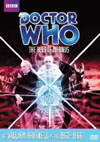
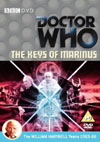
This story has become available on DVD and VHS video. Click on the Amazon symbol for the location nearest you for pricing and availability:
Comments on this article are welcome. You may contact the author from this page:
|